Cultural perspectives on gambling How different societies view chance and risk
Understanding Gambling Through Cultural Lenses
Cultural perspectives on gambling are diverse and often reflect the values and beliefs of different societies. In many cultures, gambling is seen as a recreational activity that embodies risk-taking and excitement. For instance, in Western societies, casinos and online gambling platforms are popular, representing freedom and personal choice. This cultural acceptance can lead to a normalization of gambling, where individuals view it as a harmless pastime. Interestingly, many individuals are now exploring options such as casino not on gamstop, which may also change perceptions over time.
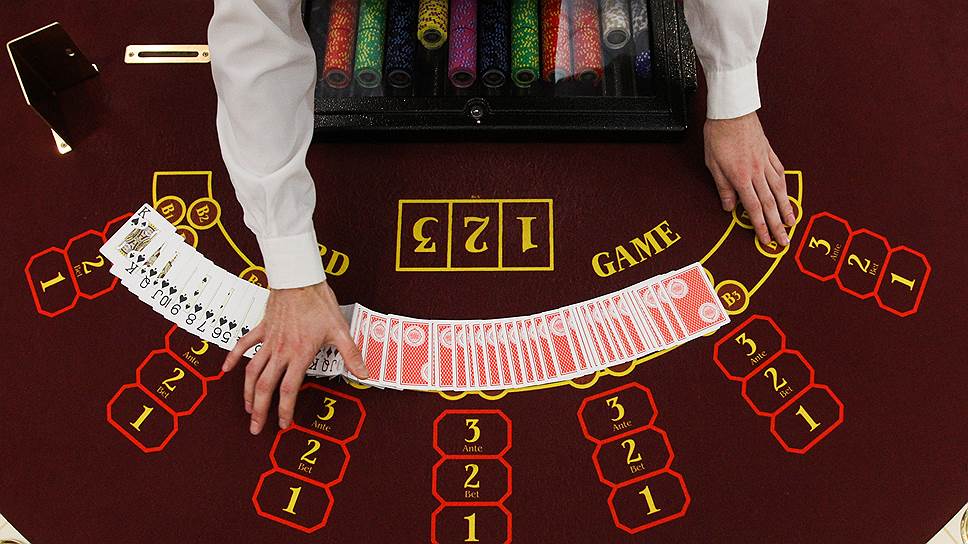
Conversely, in certain societies, gambling is heavily stigmatized and associated with moral and ethical concerns. For instance, in many Asian cultures, gambling can be linked to social issues like addiction and financial ruin. These contrasting views highlight how cultural context shapes the perception of chance and risk, influencing the behaviors of individuals within those societies.
The Impact of Religion on Gambling Attitudes
Religion plays a significant role in shaping cultural attitudes towards gambling. In many Christian communities, gambling is often viewed unfavorably, seen as a temptation that can lead to moral decay. Such beliefs discourage participation in gambling activities and promote a mindset of caution regarding financial risks.
On the other hand, some religious traditions, such as certain strands of Buddhism, may adopt a more neutral stance towards gambling, recognizing it as a form of entertainment. This divergence in religious perspectives illustrates how faith can influence personal and societal views on risk-taking and chance.
The Role of Tradition in Gambling Practices
Traditions significantly influence how gambling is perceived and practiced across different cultures. In countries like Italy and Spain, traditional gambling games, such as Sic Bo or Lotería, are celebrated and incorporated into social events and festivals. These practices not only serve as entertainment but also as a means of community bonding.
In contrast, societies that impose strict regulations or outright bans on gambling often emphasize traditional values of restraint and caution. This can lead to underground gambling activities that defy societal norms, showcasing the tension between tradition and modernity in how chance and risk are approached.
Online vs. Offline Gambling Perspectives
The rise of online gambling has transformed cultural attitudes towards chance and risk, particularly in societies where digital interactions are prevalent. Many younger individuals view online platforms as accessible and less stigmatized compared to traditional casinos. This shift reflects a broader acceptance of technology and its integration into leisure activities.
However, offline gambling retains a certain charm and social aspect that many still cherish. The communal experience of visiting a casino or participating in local betting events can foster a sense of belonging. This contrast between online and offline gambling highlights the evolving nature of risk perception and the various ways in which chance is embraced across cultures.

Website Overview and Accessibility
This website serves as a resource for understanding the complexities of cultural perspectives on gambling. It aims to provide valuable insights into how different societies view chance and risk, taking into account the influences of tradition, religion, and modernity. With the growing interest in both online and offline gambling, it reflects a commitment to exploring these themes.
However, due to current security measures, accessing certain features may be restricted. The website emphasizes a secure browsing experience while encouraging users to reach out for assistance. This focus on accessibility and user safety illustrates a commitment to providing information on gambling practices in a responsible manner.
