Unraveling the truth behind gambling myths and misconceptions
The Myth of “Hot” and “Cold” Machines
One common misconception among gamblers is the belief in “hot” and “cold” machines, particularly in slot games. Many players think that a machine that has recently paid out is unlikely to do so again for a while, while a machine that hasn’t paid out is due for a win. This is a classic example of the gambler’s fallacy, where individuals believe past events affect future probabilities in independent games. Moreover, many new players may get influenced by online resources, such as online casino guides, leading them to misunderstand the nature of random outcomes.
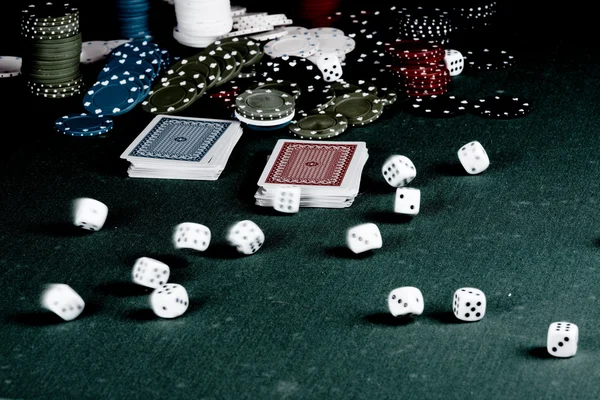
In reality, each spin of a slot machine is entirely random and independent of previous spins. Casino operators use Random Number Generators (RNGs) to ensure that outcomes are unpredictable, which means that no machine can be deemed “hot” or “cold.” Understanding this can help players make more informed decisions rather than relying on superstitions.
The Illusion of Control
Many gamblers believe they can control the outcome of a game through strategies or betting patterns, which leads to the myth that skill can significantly influence games of chance. While skill does play a role in certain games like poker or blackjack, games such as roulette and slots are inherently random, making it impossible to exert control over the outcome.
This misconception often results in players chasing losses, thinking they can turn their luck around through strategic betting. Recognizing the limits of control can help individuals manage their expectations and approach gambling with a healthier mindset, reducing the risk of problem gambling.
The Belief in Winning Strategies
Another prevalent myth is the belief in foolproof winning strategies that guarantee success in gambling. From betting systems to various strategies promoted online, many players fall prey to the idea that a particular method can beat the odds consistently. However, the reality is that all gambling games have a built-in house edge, which means that the casino always has an advantage over the player.
While some strategies might reduce losses or improve the player’s experience, they do not change the fundamental odds of the game. Educating oneself on the odds and the house edge is crucial for maintaining realistic expectations and enjoying gambling as a form of entertainment rather than a guaranteed source of income.
The Impact of Luck vs. Skill
The debate between luck and skill in gambling often leads to misconceptions about what influences success in various games. While games like poker require a degree of skill, chance plays a significant role in most gambling activities. Many players mistakenly believe that skills acquired in one game can translate directly into success in another game that relies heavily on luck.
Understanding the distinction between skill-based and luck-based games is essential for proper bankroll management and setting realistic goals. Players should focus on honing their skills in games that allow for such strategies while recognizing that in purely luck-based games, outcomes are unpredictable and cannot be influenced by skill.
The Role of Responsible Gambling
It’s vital to understand the importance of responsible gambling practices, especially in light of the many myths and misconceptions surrounding the activity. Responsible gambling encompasses understanding the risks involved, setting limits, and recognizing when to take a break. Players should approach gambling as a form of entertainment rather than a way to make money.
Being aware of the myths can empower gamblers to make informed decisions and seek help if needed. The resources available for understanding legal aspects and ensuring a secure gambling experience can help individuals maintain their enjoyment of the activity while minimizing risks. The website serves as an essential resource for legal information, offering guidance on responsible gambling and access to necessary tools to promote a safe environment for all players.
